
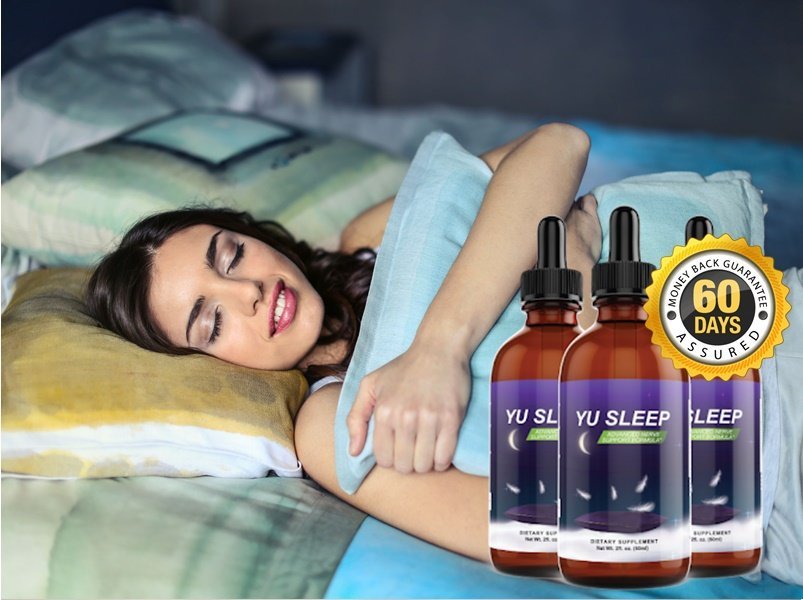
YuSleep vs. Regular Melatonin: What’s the Real Difference?
Walk down any pharmacy aisle, and you’ll find dozens of melatonin gummies, tablets, and capsules promising better sleep for just a few dollars. So why would anyone choose a premium multi-ingredient formula like YuSleep over plain melatonin? The answer comes down to how each approach addresses the actual causes of poor sleep — and they’re not always the same thing.
This article breaks down the practical differences between YuSleep and standard melatonin supplements, so you can decide which approach actually fits your sleep issue.
What Regular Melatonin Does (and Doesn’t Do)
Melatonin is a hormone your body naturally produces in response to darkness, signaling that it’s time to sleep. Standard melatonin supplements work by supplying a synthetic or lab-derived version of that hormone directly.
For certain situations, this can be effective — particularly for short-term issues like jet lag or a temporarily shifted sleep schedule, where the core problem is simply a mistimed internal clock.
However, melatonin alone has some well-documented limitations:
- It doesn’t address anxiety or racing thoughts. If your sleep problem stems from stress or an overactive mind rather than melatonin timing, plain melatonin often falls short.
- Dosing can be inconsistent. Studies have found that many over-the-counter melatonin products contain significantly more or less melatonin than labeled, which can lead to grogginess or reduced effectiveness.
- It doesn’t support staying asleep. Melatonin primarily affects sleep onset — how quickly you fall asleep — but has a limited effect on sleep maintenance throughout the night for many users.
- Tolerance concerns. Some people report that standard melatonin becomes less effective with regular nightly use, requiring higher doses over time.
How YuSleep’s Approach Is Different
YuSleep does contain melatonin, but it’s one ingredient among six working together, each targeting a different piece of the sleep puzzle rather than relying on a single hormone to do all the work.
Melatonin still handles the core job of cueing your circadian rhythm, but it’s supported by:
- Red Tart Cherry Extract — a natural, food-based source of melatonin that tends to release more gradually than synthetic melatonin, which may help support melatonin levels through the night rather than just at sleep onset.
- 5-HTP — supports serotonin production, which plays a role in mood regulation and is also a precursor your body uses to naturally synthesize its own melatonin.
- L-Theanine — an amino acid that promotes alpha brain wave activity associated with a calm, relaxed mental state, addressing the “racing mind” problem that melatonin alone doesn’t touch.
- GABA — a calming neurotransmitter that helps quiet nervous system activity, supporting the transition from an alert state into a relaxed, sleep-ready one.
- Vitamin B6 and B12 — support the metabolic pathways involved in converting 5-HTP into serotonin and help regulate the sleep-wake cycle.
In other words, where plain melatonin tries to solve sleep with a single lever, YuSleep is built around the idea that sleep problems usually have more than one cause — timing, stress, and nervous system overactivity — and addresses several of them at once.
Sleep Onset vs. Sleep Quality
This is probably the most important practical distinction. Plain melatonin is generally aimed at sleep onset — getting you to fall asleep. It’s not necessarily designed to improve the quality or depth of the sleep you get once you’re out.
YuSleep’s combination approach is oriented more toward overall sleep quality: falling asleep, staying asleep, and waking up without grogginess. For people whose main complaint isn’t “I can’t fall asleep” but rather “I wake up at 3 a.m. and can’t get back to sleep” or “I sleep but never feel rested,” a single-ingredient melatonin product often isn’t built to solve that problem — while a broader formula targeting nervous system relaxation and sustained melatonin support is more likely to.
Who Should Consider Plain Melatonin?
To be fair, plain melatonin isn’t obsolete. It can be a reasonable, low-cost option for:
- Short-term jet lag or travel-related sleep disruption
- Occasional, mild difficulty falling asleep with no underlying anxiety component
- People who want the simplest possible supplement with a single active ingredient
Who Tends to Benefit More From YuSleep’s Formula?
A multi-ingredient formula like YuSleep tends to be a better fit for people who:
- Deal with nighttime anxiety or a mind that won’t “shut off” at bedtime
- Wake up frequently during the night rather than just struggling to fall asleep initially
- Have tried plain melatonin before without meaningful improvement
- Want a non-habit-forming option they can use consistently over the long term without building tolerance
- Are looking for a formula that supports overall sleep quality, not just sleep onset
Delivery Method Matters Too
Another often-overlooked difference is how the product is delivered. YuSleep uses a sublingual liquid format — placed under the tongue and held for about 30 seconds before swallowing — which is designed to allow for faster absorption into the bloodstream compared to swallowing a solid tablet or gummy that has to be broken down through digestion first. For anyone who wants a formula to start working relatively quickly at bedtime, this delivery method offers a practical edge over traditional pill-based melatonin products.
Cost Comparison: Is the Premium Worth It?
YuSleep indeed costs more per bottle than a basic drugstore melatonin bottle. But the comparison isn’t quite apples-to-apples. You’re not just paying for melatonin — you’re paying for a formulated blend of six ingredients manufactured in an FDA-registered, GMP-certified facility, each dosed to work together rather than a single isolated compound.
For someone who has already tried cheap melatonin without success, the more relevant cost comparison isn’t “$8 gummies vs. $59 bottle” — it’s “another bottle of something that didn’t work vs. a formula built to address more of the underlying causes of poor sleep.”
The Bottom Line
Plain melatonin and YuSleep aren’t really competing for the same job. Melatonin alone is a narrow tool aimed at circadian timing. YuSleep is a broader formula designed to support the full picture of restful sleep — onset, duration, and quality — by combining melatonin with calming amino acids, mood-supportive nutrients, and additional natural melatonin sources.
If you’ve tried standard melatonin and found it inconsistent, insufficient, or simply not addressing your specific sleep challenges, a multi-ingredient formula like YuSleep may be worth exploring as a more comprehensive alternative — backed by a 60-day money-back guarantee that lets you test the difference for yourself.
>> Visit YuSleep’s Official Website for the Best Price!
These statements have not been evaluated by the FDA. This product is not intended to diagnose, treat, cure, or prevent any disease. Individual results may vary.