YuSleep Reviews: Does It Really Work After 30 Days of Use?
If you’ve spent any amount of time searching for a natural solution to restless nights, chances are you’ve come across YuSleep. With claims of faster sleep onset, deeper rest, and mornings free of grogginess, it’s easy to be skeptical. Supplement marketing is full of big promises, and most people have tried at least one sleep aid that didn’t live up to the hype.
So the real question isn’t “what does YuSleep claim to do,” but “what actually happens when you use it consistently for a full month?” This article breaks down what a typical 30-day journey with YuSleep tends to look like, based on common patterns reported by users, so you can set realistic expectations before you decide whether it’s worth trying.
Why 30 Days Is the Right Benchmark
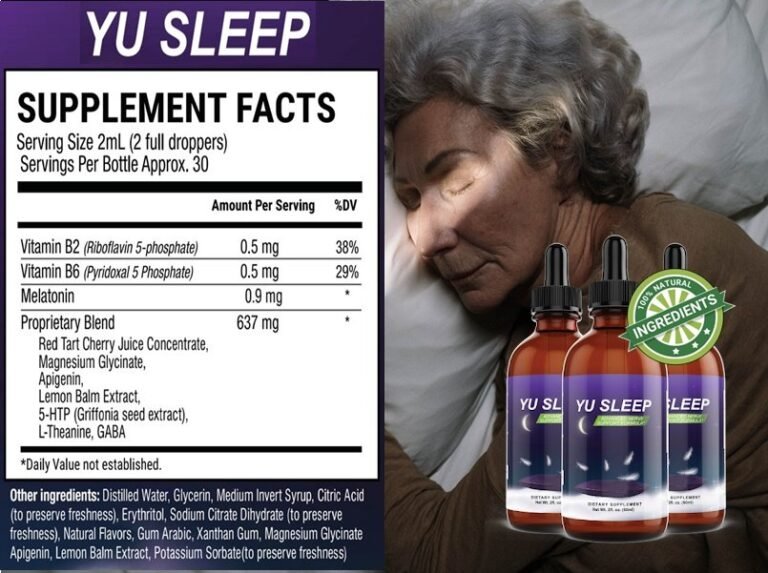
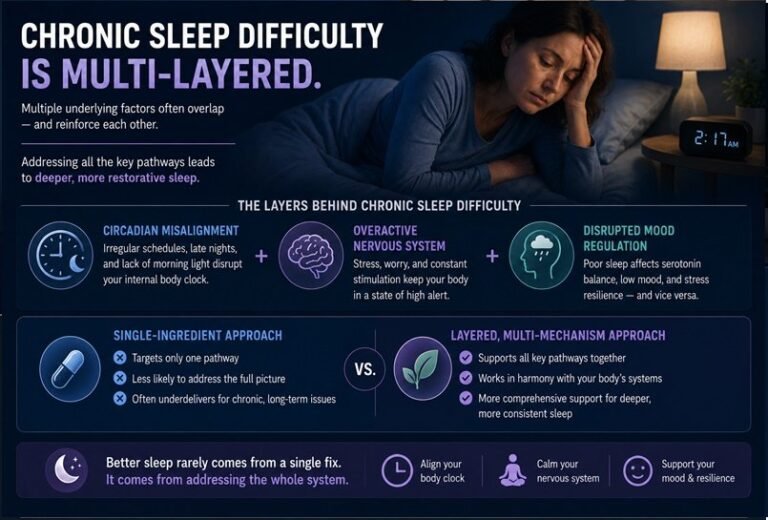
Sleep aids that rely on synthetic sedatives often work (or fail) within a single night. Natural formulas like YuSleep work differently. Because the ingredients — melatonin, 5-HTP, L-theanine, GABA, red tart cherry extract, and B vitamins — support your body’s own sleep-regulating systems rather than forcing sedation, the effects tend to build gradually.
That’s an important distinction. A product that knocks you out cold on night one but leaves you groggy the next day isn’t necessarily “working” in a healthy sense — it’s just suppressing your nervous system. YuSleep is designed around a different philosophy: help your circadian rhythm recalibrate over time so that better sleep becomes your new normal, not a temporary chemical effect.
That’s why 30 days — roughly one full supply cycle — is the timeframe most commonly used to judge whether a natural sleep supplement is actually delivering results.
Week 1: Adjusting to the Routine
In the first few nights, most people report a modest but noticeable difference: it takes less time to fall asleep, and the mind feels calmer at bedtime. This lines up with what you’d expect from ingredients like L-theanine and GABA, which are known for promoting relaxation and quieting a racing mind rather than sedating you outright.
During this period, it’s common to still wake up once or twice during the night — old sleep patterns don’t disappear overnight. The key thing to watch for in week one isn’t dramatic transformation, but rather a general sense of easier wind-down before bed.
Week 2: Sleep Duration Starts to Shift
By the second week, many users notice they’re staying asleep longer, with fewer 3 a.m. wake-ups. This is often attributed to the red tart cherry extract, a natural source of melatonin that supports more stable overnight melatonin levels compared to a single synthetic dose that can wear off partway through the night.
This is also typically when people start reporting a difference in how they feel during the day — less afternoon fatigue, steadier energy, and an easier time concentrating. Since deep sleep plays a direct role in cognitive recovery, this pattern tracks with what sleep science would predict once sleep quality genuinely improves.
Week 3: The Circadian Rhythm Effect
This is usually when the most meaningful shift happens: falling asleep and waking up start to feel more automatic, without needing to “try.” Users who previously struggled with an irregular sleep schedule — going to bed too late, waking up at inconsistent times — often describe finally feeling sleepy at a reasonable hour without forcing it.
This lines up with how the formula is designed to work: rather than sedating you into sleep, ingredients like melatonin and B6/B12 support the biological signaling that tells your body when it’s time to wind down and when it’s time to wake up. Over roughly three weeks of consistent use, that signaling tends to become more reliable.
Week 4: Consistency Becomes the Norm
By the end of the first month, the majority of feedback around YuSleep centers on consistency rather than a single dramatic “before and after” moment. Sleep becomes something people stop thinking about — which, for anyone who has dealt with chronic sleeplessness, is often the biggest win of all.
Common themes reported at the one-month mark include:
- Falling asleep within 20–30 minutes of taking the supplement
- Fewer nighttime awakenings
- Waking up without the grogginess associated with over-the-counter sleep medications
- More stable mood and energy throughout the day
- A general sense that bedtime is no longer a source of stress or anxiety
What YuSleep Reviews Commonly Mention
Across customer feedback, a few recurring themes tend to stand out:
- Non-habit-forming feel. Unlike prescription or over-the-counter sedatives, users don’t report needing to increase the dose over time to get the same effect — a common concern with synthetic sleep medications.
- No next-day fog. Because the formula doesn’t rely on heavy sedation, morning grogginess is one of the most frequently cited improvements compared to other sleep products people have tried in the past.
- Better handling of stress-related insomnia. The combination of L-theanine, GABA, and 5-HTP appears to particularly help people whose sleep issues are tied to an overactive mind or nighttime anxiety, rather than purely physical restlessness.
- Gradual, not instant, results. It’s worth being upfront that this isn’t a knockout formula. People expecting an immediate, dramatic effect on night one are sometimes disappointed, while those who commit to a full cycle tend to report the most satisfaction.
Setting Realistic Expectations
No supplement works identically for everyone, and individual results can vary based on factors like stress levels, screen time before bed, caffeine intake, and overall sleep hygiene. YuSleep is formulated to support your body’s natural processes, not override them — which means pairing it with reasonable bedtime habits (dimming lights, limiting screens, keeping a consistent bedtime) tends to produce the best outcomes.
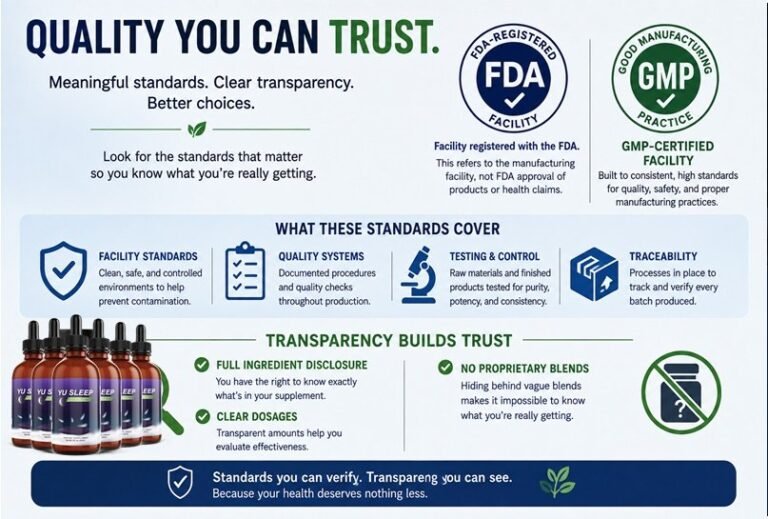
It’s also worth noting that these statements reflect general patterns in user feedback and have not been evaluated by the FDA. YuSleep, like all dietary supplements, is not intended to diagnose, treat, cure, or prevent any disease, and results will vary from person to person.
Is 30 Days Enough to Judge YuSleep?
For most people, yes. A full month gives the formula’s cumulative ingredients — particularly melatonin and red tart cherry extract — enough time to influence circadian rhythm, while also giving you enough nights of use to notice real patterns rather than one-off placebo effects.
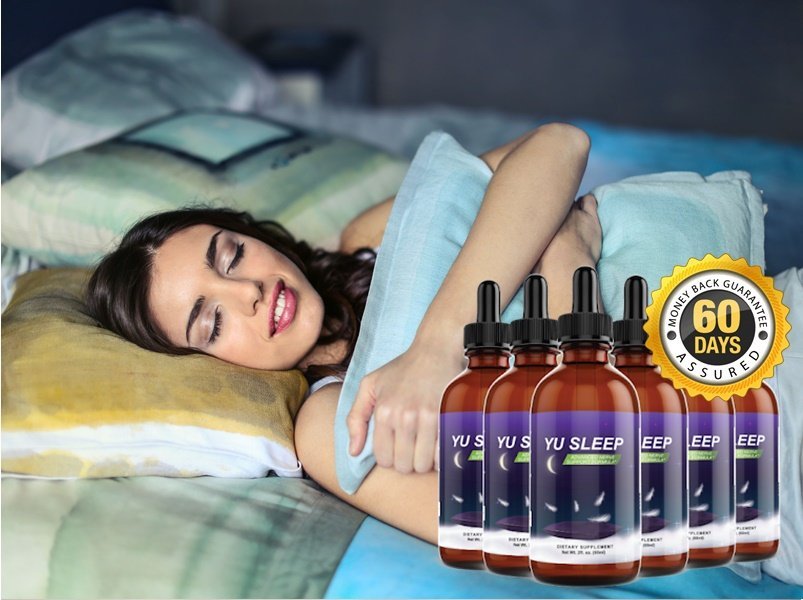
If you’re on the fence, the 60-day money-back guarantee offered directly through the official YuSleep website effectively removes the financial risk of testing it for yourself. That’s a reasonable way to answer the “does it really work for me” question without relying solely on other people’s reviews — since, at the end of the day, sleep is deeply individual, and what works well for one person may take a little longer for another.
Final Thoughts
YuSleep isn’t marketed as an overnight miracle, and the most credible reviews reflect that. What tends to set it apart is the way results build over a few weeks, aligning with how the body’s sleep-wake cycle actually works rather than forcing sedation. If you’re dealing with occasional sleeplessness or a longer-term pattern of poor sleep, giving it a full 30-day trial is the most reliable way to see whether it earns a permanent spot in your nightly routine.